
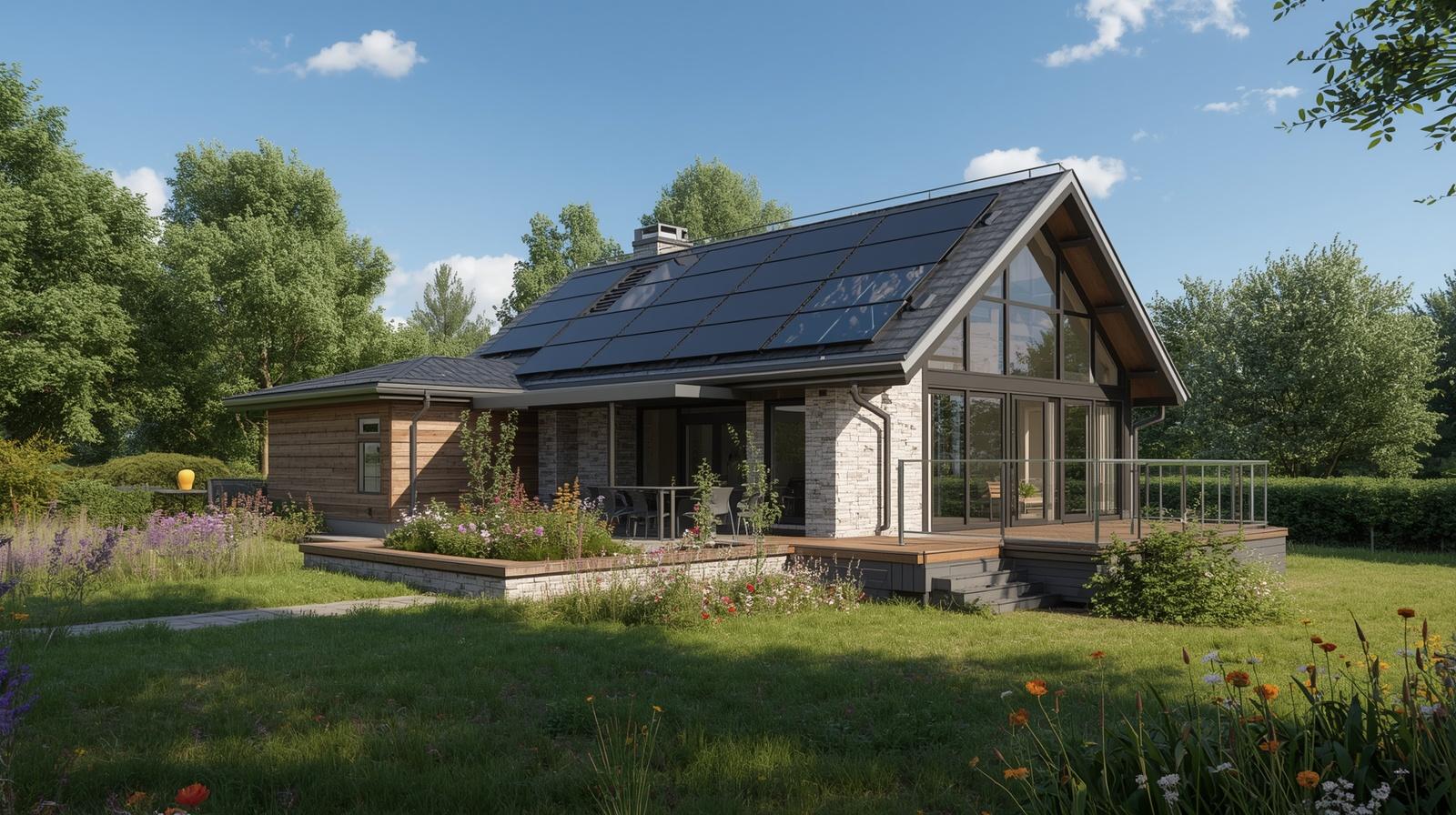
In 2026, the push for “Net Zero” has shifted from abstract policy to a practical reality for UK homeowners. While energy-efficient upgrades like heat pumps and solar panels were once seen as luxury additions, they are now essential for maintaining property value and reducing soaring energy costs.
Fortunately, UK lenders have moved beyond simple “green” branding to offer substantial financial tools that help homeowners bridge the gap between intent and installation. Here is how the UK lending market is helping you make your home greener.
1. Green Mortgages: Rewards for Efficiency
The most common way lenders help is through Green Mortgages. These are standard mortgage products but with “green” incentives attached. They generally fall into two categories:
Purchasing an Efficient Home: If you buy a property with an Energy Performance Certificate (EPC) rating of A or B, lenders like Barclays, NatWest, and Halifax often offer lower interest rates or significant cashback (sometimes up to £500).
Improving an Existing Home: If you move into a “D-rated” home and commit to improving its efficiency, some lenders (such as Virgin) offer “Retrofit” mortgages. These may include cash back or reduce your interest rate once you prove the EPC rating has improved.
2. Green “Further Advances”
For those not looking to move or remortgage, a Green Further Advance is a powerful tool. This allows you to borrow additional funds against your existing mortgage at a significantly lower rate than a standard personal loan.
Discounted Rates: Lenders like Nationwide and Coventry Building Society offer these “top-up” loans specifically for green upgrades.
Strict Criteria: To qualify for the lowest rates, you typically must spend at least 50% to 100% of the borrowed money on specific improvements like loft insulation, air-source heat pumps, or double glazing.
High Limits: You can often borrow between £2,500 and £25,000, usually with no product fees.
3. The “Warm Homes Plan” (2026 Initiatives)
The Warm Homes Plan, (launched Jan 2026) aims to upgrade 5 million homes by 2030, offering grants, low-interest loans, and, for some, free installations of insulation, heat pumps, and solar panels. It targets low-income households and, increasingly, social housing, with the goal of reducing energy bills by up to £600 annually.
Key Feature: Under this plan, many banks will now offer government-backed, interest-free or low-interest loans for solar panels and battery storage. By removing the interest barrier, lenders make it so that the monthly loan repayment is often covered by the savings on your energy bill.
4. Unsecured Green Personal Loans
If you don’t want to touch your mortgage, the market for unsecured green loans has tripled. Banks like Tandem and various credit unions now offer personal loans specifically for “home decarbonisation.”
Faster Approval: Unlike a mortgage further advance, these are typically approved within days.
Flexible Terms: They are ideal for smaller projects like draught-proofing or window replacements that don’t require tens of thousands of pounds.
Why Lenders Want You to Go Green
It’s not just about corporate social responsibility. Lenders view energy-efficient homes as lower-risk assets.
Lower Bills = Lower Default Risk: If your energy bills are £100 lower a month, you are more likely to keep up with mortgage payments.
Future-Proofing Value: Homes with low EPC ratings are increasingly subject to “brown discounts” – lower resale values. Lenders want to ensure the collateral for their loan (your house) stays valuable.